Does Professional Carpet Cleaning Remove Allergens? What Denver Homeowners Need to Know
Yes. Professional carpet cleaning allergens removal is highly effective—hot-water extraction removes an estimated 90-97% of dust mite debris, pet dander, and pollen trapped deep in carpet fibers. It’s not permanent, but combined with regular cleaning every 12-18 months, it substantially reduces allergen exposure for Denver-metro homes.
If you’re waking up congested, sneezing more at home than outside, or you’ve got a dog shedding into the living room carpet year-round, you’ve probably wondered: does carpet cleaning remove allergens, or is that just marketing? It’s a fair question. The honest answer is yes, and there’s real mechanism behind it — not just a fresh smell and some suction.
Denver makes this a bigger deal than it is in a lot of cities. We get 300+ sunny days a year, which sounds great until you realize it means more time outdoors, more pollen exposure, and more of that pollen getting tracked straight into your carpet on shoes, pant legs, and paws. Add in a dry climate that keeps dust levels high, a long winter of de-icing salt and sand, and a metro area full of pet owners, and you’ve got carpet fibers working overtime as an air filter for your whole house.
This article walks through what’s actually hiding in your carpet, exactly how a professional 3-stage cleaning pulls it out, what fiber types can and can’t be safely deep cleaned, and how often you really need to do this to keep allergen levels down.
What Allergens Are Actually Hiding in Your Carpet?
Carpet holds four main categories of allergens, and most homeowners are only aware of one or two of them.
- Dust mites. These microscopic organisms feed on shed skin flakes that collect in carpet fiber and padding. Here’s the part most people don’t know: the mites themselves aren’t the allergen. It’s their feces and body fragments — proteins called Der p 1 and Der f 1 — that trigger allergic reactions. That protein stays allergenic even after the mite dies, so a carpet doesn’t need live mites to be a problem.
- Pollen. Tree, grass, and weed pollen gets tracked in on shoes, clothing, and pet fur, then settles deep into the pile. Carpet acts like a filter, trapping pollen there until it’s physically removed.
- Pet dander. Microscopic skin flakes carrying proteins like Fel d 1 (cats) and Can f 1 (dogs) cling to carpet fibers and padding. Foot traffic stirs them back up into the air you breathe.
- Mold spores and bacteria. Even in a dry state like Colorado, localized moisture spots — basements, an old spill that didn’t dry properly, past water damage — give mold and bacteria a place to grow in carpet backing.
- Fine dust and winter road residue. De-icing salt and sand mix with everyday dust and biological allergens, adding to the total particulate load your carpet is holding onto.
Here’s why vacuuming alone doesn’t solve this. A standard vacuum only cleans the top layer of pile. Most of the allergen load actually sits lower — in the base of the fibers, the backing, and the padding — where a regular vacuum can’t reach. Worse, studies on vacuuming have shown that older or non-HEPA machines can actually kick dust mite allergen back into the air instead of removing it, because the exhaust blows fine particles right back into the room.
That matters for health, not just comfort. Dust mites, pet dander, and pollen are established triggers for allergic rhinitis and asthma — the congestion, coughing, wheezing, and nighttime symptoms a lot of Denver families deal with without connecting it back to what’s underfoot.
Does Carpet Cleaning Remove Allergens? Here’s How the Process Works
Yes — and the reason it works comes down to a specific 3-stage method, not just running a machine over the carpet once.
Stage 1 — Pre-Spray Treatment
We start by applying a cleaning solution that breaks down the oils, soils, and biofilms that literally glue allergens to the carpet fiber. Dust mite debris, dander, and fine particles bind to fiber surfaces over time, and without loosening that bond first, extraction alone won’t pull much out. This step is what makes everything after it actually effective.
Stage 2 — Main Alkaline Clean (Hot-Water Extraction)
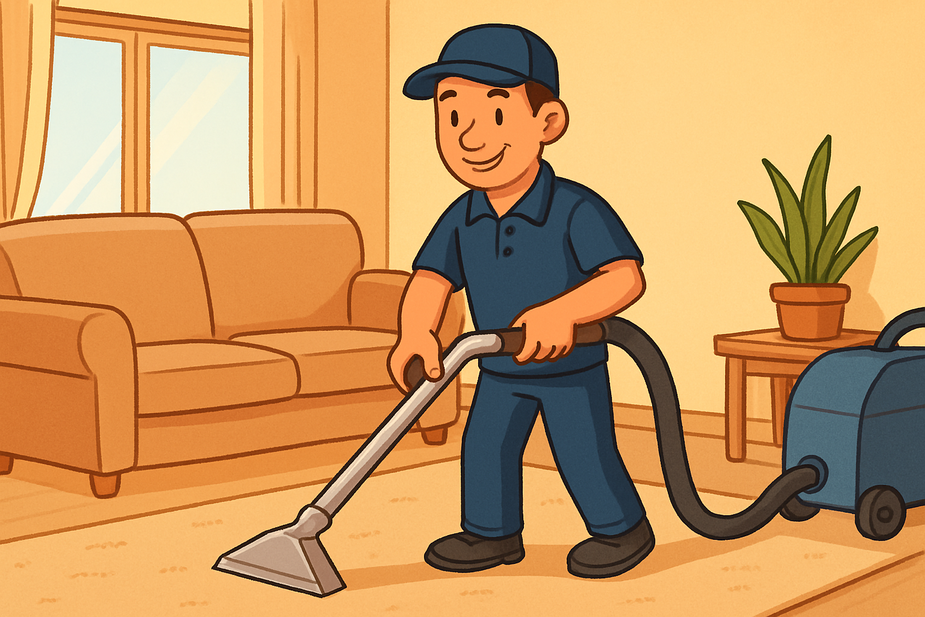
This is the core of the process. Hot water — typically 140-200°F at the wand — gets mixed with an alkaline cleaning detergent and injected into the pile under pressure, then immediately extracted back out along with the now-suspended allergens and soil.
The numbers back this up: lab testing on hot-water extraction has shown reductions of roughly 91% for surface dust mite allergen, about 95% for cat allergen, and around 97% for dog allergen. That’s a dramatic drop from a single deep clean.
Equipment matters here too. Truck-mounted units deliver higher water temperatures and stronger vacuum lift, which pulls more moisture and particulate out of the carpet in fewer passes — that’s what we run on most jobs. Portable units come into play for apartments and upper floors where running a hose from the truck isn’t practical. Portables are still effective, but heavily soiled or high-traffic areas sometimes need an extra pass to get the same result.
Stage 3 — Chemical Neutralization
After the alkaline clean, we apply a neutralizing rinse to bring the carpet’s pH back to normal and rinse away any leftover detergent residue. Skip this step and you’re left with a sticky residue that actually attracts new dust and allergens faster than an untreated carpet would. This is the step that gets skipped by DIY rental machines, and it’s a big reason carpets ‘get dirty again fast’ after a rental job.
Ozone Treatment for Severe Cases
This isn’t part of every cleaning — it’s an add-on for specific situations like stubborn pet urine odor, smoke contamination, or heavy bacterial buildup. Ozone treatment oxidizes odor-causing compounds and reduces microbial load in the carpet and padding. Because ozone itself is a respiratory irritant at higher concentrations, the treated area is ventilated and kept unoccupied during and immediately after treatment.
Drying Time and Why It Matters
Carpets dry in about 20-30 minutes with proper ventilation running. That fast turnaround isn’t just convenience — it directly protects the allergen reduction you just paid for. Carpet that stays damp too long creates conditions for mold and bacterial regrowth in the backing and padding, which can undo the benefit of the cleaning altogether. In Denver’s dry climate, opening windows when weather allows, or running fans and your HVAC system, speeds up evaporation and keeps things on schedule.
Which Carpet Fibers Can Be Cleaned for Allergens (and Which Can’t)?
We clean nylon, polyester, and cotton carpets and rugs — by far the most common residential fiber types in Denver-metro homes. All three trap dust, dander, and pollen in similar ways and respond well to hot-water extraction.
We do not clean silk or wool carpets or rugs, and it’s important homeowners know why. Natural fibers like silk and wool are sensitive to heat, alkaline pH, and mechanical agitation. Run them through a standard hot-water extraction process and you risk shrinkage, texture damage, or dye bleed. If you’ve got a silk or wool rug or carpet, you’ll want a specialty fiber cleaner who works specifically with natural textiles.
Pile height also affects how much allergen load a carpet holds and how thoroughly it can be cleared:
- Low-pile, dense carpet holds less surface debris and is generally easier to maintain, though allergens still settle at the base of the fibers over time.
- High-pile or plush carpet traps dust and dander throughout its full depth. These carpets often need multiple extraction passes and more specialized tools to fully clear out that reservoir of buildup.
How Often Should You Deep Clean Carpet to Control Allergens?
For a typical household with normal foot traffic and no major allergy concerns, deep cleaning every 12-18 months keeps allergen levels in check. That’s our general guideline for most Denver-metro homes.
If you’ve got allergy or asthma sufferers in the house, pets, or heavy foot traffic, you’ll want to move that up to every 6-12 months. In more severe cases — multiple pets, someone with significant asthma, a home that gets a lot of outdoor traffic tracked in — quarterly cleaning isn’t unreasonable.
Between professional cleanings, a few things make a real difference:
- Vacuum with a HEPA-filter vacuum 1-2 times per week — HEPA filtration captures particles down to about 0.3 microns, which matters for dust mite debris and dander.
- Keep indoor humidity below roughly 50% to suppress dust mite populations. This is one place Denver’s dry climate actually works in your favor.
- Run a portable HEPA air purifier in bedrooms and main living areas, where you spend the most hours.
- Don’t forget mattresses, sofas, headboards, and dining or armchairs. Dust mites and dander build up there just as heavily as in carpet, and it’s worth including upholstery cleaning as part of a full allergen-reduction plan, especially for furniture in bedrooms.
Why Denver’s Climate Makes Allergen Buildup Worse (Local Angle)
Colorado’s Pollen Seasons
Colorado runs through distinct pollen seasons — tree pollen peaks in spring, grass pollen takes over in late spring and early summer, and weed pollen, including ragweed, dominates late summer into fall. With 300+ sunny days a year, Denver residents spend more time outdoors than people in a lot of other regions, which means more pollen exposure and more of it getting tracked directly into carpet on shoes, clothing, and pets.
The Dry-Climate Trade-Off
Denver’s dry air does cut down on mold problems overall compared to humid climates, which is genuinely good news for mold-sensitive residents. But there’s a flip side: dry conditions push ambient dust levels up. And here’s the key detail a lot of people miss — it’s indoor humidity, not outdoor dryness, that actually controls dust mite populations. That means dust mites can still thrive inside a Colorado home even when it’s bone dry outside, if indoor humidity isn’t managed.
Winter Road Salt and Sand
Every winter, de-icing salt and sand get tracked in on boots and paws and mix directly into carpet fibers with existing dust and biological allergens. It adds to the total soil load your carpet is carrying and is one more reason winter months can be tough on indoor air quality.
High Pet Ownership Across the Metro
Pet dander is one of the leading indoor allergens, and pet ownership is high across the Denver metro. Whether you’re in Arvada, Westminster, Aurora, Littleton, Highlands Ranch, Broomfield, Lakewood, or Centennial, a pet-owning household is a prime candidate for more frequent deep cleaning than the standard 12-18 month interval.
What to Expect Before, During, and After an Allergen-Focused Cleaning
Before: We walk through the home to identify fiber type, pile construction, wear patterns, staining, and any moisture or odor concerns. For allergy-focused jobs, we ask about pets, symptoms, and any history of water damage so we can prioritize problem areas — bedrooms and pet zones especially.
During: Pre-spray goes down first, agitation is applied where needed to loosen embedded soil, and hot-water extraction follows with multiple passes on heavily soiled or high-pile areas. Weather permitting, we’ll open windows to help with ventilation and speed drying.
After: Many households notice a real improvement in how the air feels within a day of cleaning, since surface allergen loads drop sharply right away. As the carpet finishes drying, you might notice a bit of fine dust resettle from the room air onto the carpet surface — that’s normal, and a light vacuum once the carpet is fully dry clears it without undoing the deep clean.
One honest caveat worth repeating: a cleaning significantly reduces the allergen load that’s currently in your carpet, but it doesn’t stop new allergens from being introduced going forward. Pets keep shedding, people keep tracking in pollen and dust, and that’s exactly why the maintenance schedule matters as much as the cleaning itself.
Beyond Carpet — A Whole-Home Approach to Allergen Control
Carpet is usually the biggest allergen reservoir in a home, but it’s not the only one.
- Stain removal. Organic stains from food, drinks, or bodily fluids can harbor bacteria and additional irritants beyond the visible mark. Professional stain removal paired with full extraction improves hygiene, not just appearance.
- Odor removal (pet urine, smoke). A persistent odor usually means contamination has worked its way into the padding, not just the surface fiber. Specialized neutralizing treatments — and ozone treatment in severe cases — address both the smell and the bacterial or allergen buildup driving it.
- Upholstery and mattress cleaning. Sofas, mattresses, headboards, and dining or armchairs harbor dust mites and dander at levels comparable to carpet. If allergy relief is the goal, these need to be part of the plan, especially in bedrooms where you spend a third of your day.
- Tile and grout. Hard surfaces trap far fewer allergens overall than carpet, but grout lines in bathrooms, kitchens, and basements can hold onto dust and mold in damp spots. Periodic grout cleaning rounds out a full whole-home strategy, particularly in homes with mixed flooring.
Frequently Asked Questions
Will one carpet cleaning eliminate allergens forever? No. A single deep cleaning can cut dust mite and pet allergen levels dramatically — often in the 90%+ range right after service — but new allergens get introduced constantly through pets, people, and outdoor pollen. That’s why a regular cleaning schedule matters more than a one-time deep clean.
Can I just rent a carpet cleaning machine instead of hiring a professional? You can, but rental machines typically use cooler water, weaker suction, and don’t include a proper neutralizing rinse. Without that final pH-balancing step, leftover detergent residue can actually attract dirt and allergens faster than before. Professional truck-mounted equipment reaches higher temperatures and stronger extraction, pulling more allergen-laden moisture out in fewer passes.
Is carpet cleaning safe for kids and pets right after service? Yes, once the carpet has fully dried — which takes about 20-30 minutes with good ventilation. The chemicals used are eco-friendly and pet-friendly professional-grade products designed for homes with children and animals. Keep foot traffic light until the carpet is completely dry to avoid resoiling.
Does professional cleaning help with asthma symptoms, not just allergies? It can. Dust mite debris, pet dander, and mold spores are established triggers for both allergic rhinitis and asthma. Reducing the allergen load in carpet, where a lot of these particles concentrate, is one practical step that can ease asthma-related symptoms like nighttime coughing or wheezing, though it’s not a substitute for medical treatment.
What if my carpet still smells after cleaning? Persistent odor after a standard cleaning usually points to contamination deeper in the padding or subfloor — often from pet urine or long-term moisture. In these cases, an ozone treatment can target the odor-causing compounds directly. If the odor keeps returning, it’s worth having a technician inspect for underlying padding damage that a surface clean can’t fix.
Carpet cleaning isn’t a magic fix, but it’s one of the most effective, evidence-backed steps you can take toward a healthier-feeling home in the Denver metro. Between the dry climate, the pollen seasons, the winter road grime, and the number of pets in this city, your carpet is doing more filtering work than most people realize. Give it the attention it needs on a real schedule, and the difference shows up in how the air in your home actually feels.